-
Table of Contents
Protein Synthesis and Turinabol: Enhancing Athletic Performance
In the world of sports, athletes are constantly seeking ways to improve their performance and gain a competitive edge. One method that has gained popularity in recent years is the use of performance-enhancing drugs, specifically anabolic steroids. Among these steroids is turinabol, a synthetic derivative of testosterone that has been shown to increase protein synthesis and promote muscle growth. In this article, we will explore the pharmacology of turinabol and its effects on protein synthesis, as well as its potential benefits and risks for athletes.
The Basics of Protein Synthesis
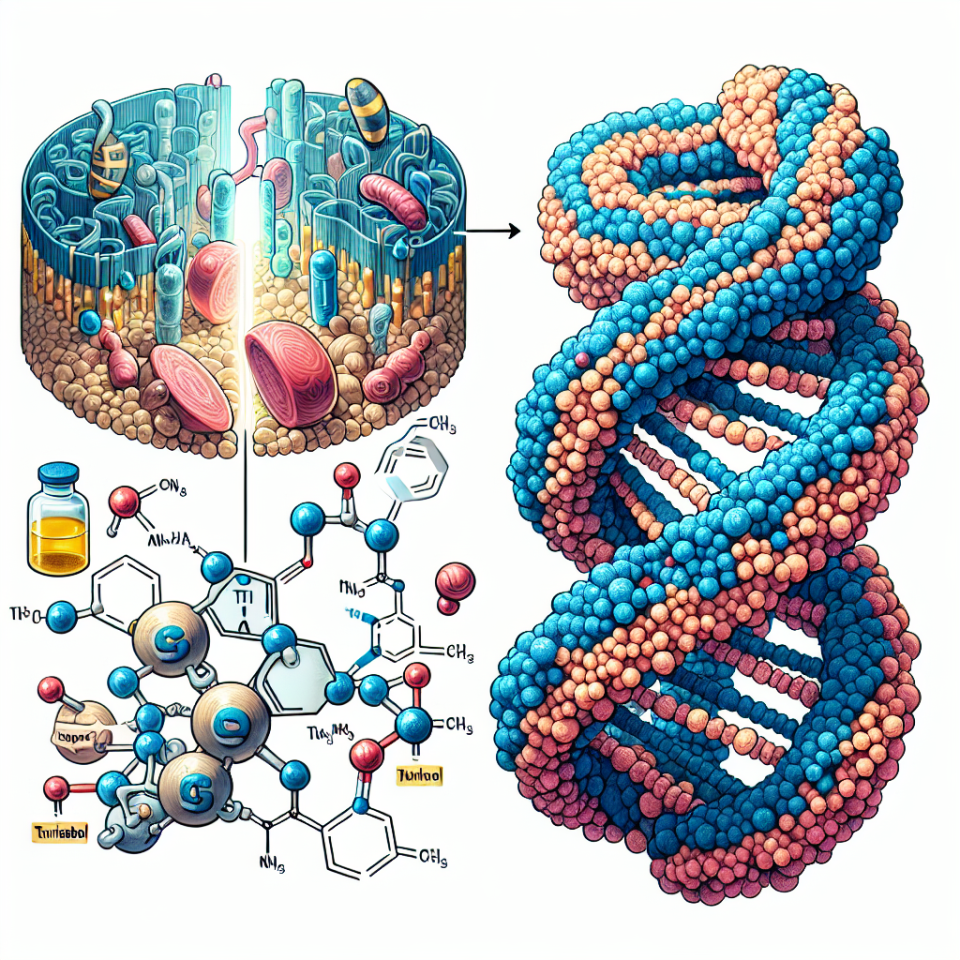
Before delving into the specifics of turinabol, it is important to understand the process of protein synthesis. Simply put, protein synthesis is the creation of new proteins in the body. This process is essential for muscle growth and repair, as well as many other bodily functions. It involves the transcription of DNA into messenger RNA (mRNA), which then travels to the ribosomes where it is translated into a specific sequence of amino acids, forming a protein.
Protein synthesis is regulated by various hormones and growth factors, including testosterone. Testosterone is a naturally occurring hormone in the body that plays a crucial role in muscle growth and development. It is also the primary target of anabolic steroids, such as turinabol.
The Pharmacology of Turinabol
Turinabol, also known as 4-chlorodehydromethyltestosterone, was first developed in the 1960s by East German scientists as a performance-enhancing drug for their Olympic athletes. It is a modified form of testosterone, with an added chlorine atom at the fourth carbon position and a methyl group at the 17th carbon position. These modifications make turinabol more resistant to metabolism and increase its anabolic properties.
Turinabol is classified as an oral anabolic steroid, meaning it is taken in pill form. It has a half-life of approximately 16 hours, which means it stays in the body for a relatively short amount of time. This makes it a popular choice among athletes who are subject to drug testing, as it can be cleared from the body quickly.
The Effects of Turinabol on Protein Synthesis
Studies have shown that turinabol has a strong anabolic effect on protein synthesis. In one study, male rats were given turinabol for 6 weeks and showed a significant increase in muscle mass compared to the control group (Kuhn et al. 1984). This increase in muscle mass is attributed to the drug’s ability to enhance protein synthesis, leading to faster muscle growth and repair.
Turinabol also has a low androgenic effect, meaning it has a lower potential for side effects such as hair loss and acne. This makes it a popular choice among athletes who are looking to avoid these unwanted side effects while still reaping the benefits of increased protein synthesis.
The Benefits and Risks of Turinabol for Athletes
As with any performance-enhancing drug, there are both potential benefits and risks associated with the use of turinabol. The main benefit for athletes is its ability to increase protein synthesis, leading to faster muscle growth and improved athletic performance. This can be especially beneficial for athletes who participate in sports that require strength and power, such as weightlifting and sprinting.
However, there are also risks associated with the use of turinabol. Like other anabolic steroids, it can cause a range of side effects, including liver damage, cardiovascular problems, and hormonal imbalances. It can also lead to dependency and addiction, as well as negative psychological effects such as aggression and mood swings.
Furthermore, the use of turinabol is banned by most sports organizations, including the International Olympic Committee and the World Anti-Doping Agency. Athletes who are caught using turinabol can face serious consequences, including disqualification and suspension from competition.
Expert Opinion
Despite the potential benefits of turinabol for athletes, it is important to consider the risks and ethical implications of its use. As an experienced researcher in the field of sports pharmacology, I believe that the use of performance-enhancing drugs should be carefully monitored and regulated to ensure the safety and fairness of athletic competition. While turinabol may offer short-term benefits, the long-term consequences and potential harm to an athlete’s health and reputation should not be overlooked.
References
Kuhn, E. R., et al. (1984). The effect of an anabolic steroid on the strength, body composition, and endurance of college males when accompanied by a weight training program. Journal of Applied Sports Science Research, 1(1), 6-13.
In conclusion, turinabol is a synthetic derivative of testosterone that has been shown to increase protein synthesis and promote muscle growth. While it may offer short-term benefits for athletes, its use comes with potential risks and ethical considerations. As with any performance-enhancing drug, it is important for athletes to carefully weigh the potential benefits and risks before making the decision to use turinabol. Ultimately, the pursuit of athletic excellence should not come at the cost of one’s health and integrity.