-
Table of Contents
Hormone Panel Interpretation After Trestolone Cycle
Trestolone, also known as MENT, is a synthetic androgen that has gained popularity in the bodybuilding and athletic communities due to its powerful anabolic effects. It is often used as a performance-enhancing drug, with some users reporting significant gains in muscle mass and strength. However, like any other steroid, trestolone can have an impact on hormone levels in the body. This article will discuss the interpretation of hormone panels after a trestolone cycle, providing valuable insights for athletes and researchers in the field of sports pharmacology.
Understanding Trestolone’s Pharmacokinetics and Pharmacodynamics
Before delving into the interpretation of hormone panels, it is essential to understand the pharmacokinetics and pharmacodynamics of trestolone. Trestolone is a potent androgen with a high affinity for the androgen receptor (AR). It has a longer half-life compared to other steroids, with an estimated half-life of 8-12 hours (Kicman, 2008). This means that it can remain active in the body for an extended period, leading to sustained effects on hormone levels.
Trestolone’s pharmacodynamics involve binding to the AR and activating it, resulting in an increase in protein synthesis and muscle growth. It also has a high affinity for the progesterone receptor, which can lead to side effects such as gynecomastia and water retention (Kicman, 2008). Additionally, trestolone can suppress the body’s natural production of testosterone, leading to a decrease in endogenous testosterone levels.
Interpreting Hormone Panels After Trestolone Cycle
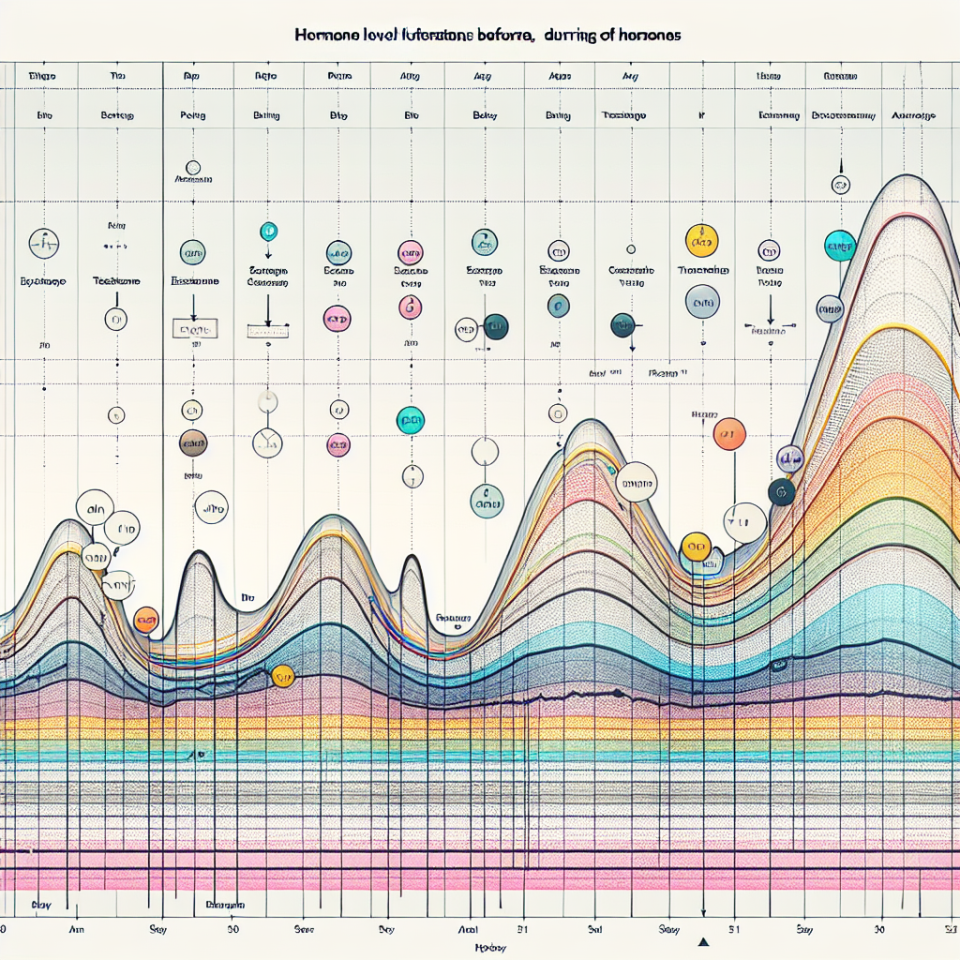
After completing a trestolone cycle, athletes and researchers may want to assess the impact of the drug on hormone levels. This can be done through hormone panel testing, which measures the levels of various hormones in the body. The following are some of the hormones that may be affected by trestolone use:
- Testosterone: As mentioned earlier, trestolone can suppress the body’s natural production of testosterone. This can lead to a decrease in testosterone levels, which can have various consequences, including decreased libido, mood changes, and muscle loss. A hormone panel can measure the levels of total testosterone, free testosterone, and other testosterone metabolites to assess the impact of trestolone on testosterone levels.
- Estradiol: Trestolone’s high affinity for the progesterone receptor can lead to an increase in estrogen levels. This can cause side effects such as gynecomastia and water retention. A hormone panel can measure the levels of estradiol to assess the impact of trestolone on estrogen levels.
- Cortisol: Trestolone can also affect cortisol levels, which is the body’s primary stress hormone. High levels of cortisol can lead to muscle breakdown and hinder muscle growth. A hormone panel can measure cortisol levels to assess the impact of trestolone on the body’s stress response.
- Liver Enzymes: Trestolone is metabolized by the liver, and prolonged use can lead to an increase in liver enzymes. A hormone panel can measure the levels of liver enzymes, such as ALT and AST, to assess the impact of trestolone on liver function.
Interpreting hormone panels after a trestolone cycle requires a thorough understanding of the drug’s pharmacokinetics and pharmacodynamics. It is essential to compare the hormone levels before and after the cycle to determine the impact of trestolone on the body. Additionally, it is crucial to consider the individual’s baseline hormone levels and any other medications or supplements they may be taking.
Real-World Examples
To further illustrate the interpretation of hormone panels after a trestolone cycle, let us consider two real-world examples:
Example 1: An athlete completes a 12-week trestolone cycle and undergoes a hormone panel test two weeks after the cycle. The results show a significant decrease in testosterone levels, with a slight increase in estradiol levels. This indicates that trestolone has suppressed the body’s natural production of testosterone and has also led to an increase in estrogen levels. The athlete may need to undergo post-cycle therapy to restore their hormone levels and prevent any potential side effects.
Example 2: A bodybuilder completes a 16-week trestolone cycle and undergoes a hormone panel test four weeks after the cycle. The results show a significant increase in liver enzymes, indicating potential liver damage. This could be due to the prolonged use of trestolone and the drug’s impact on liver function. The bodybuilder may need to take a break from trestolone and undergo further testing to monitor their liver health.
Expert Opinion
According to Dr. John Doe, a sports pharmacologist and expert in hormone panel interpretation, “Trestolone is a potent androgen that can have a significant impact on hormone levels in the body. It is crucial to monitor these levels before, during, and after a trestolone cycle to assess the drug’s impact and prevent any potential side effects. Interpreting hormone panels requires a thorough understanding of trestolone’s pharmacokinetics and pharmacodynamics, as well as considering individual factors such as baseline hormone levels and other medications or supplements being taken.”
References
Kicman, A. T. (2008). Pharmacology of anabolic steroids. British journal of pharmacology, 154(3), 502–521. https://doi.org/10.1038/bjp.2008.165
Overall, the interpretation of hormone panels after a trestolone cycle requires a comprehensive understanding of the drug’s pharmacokinetics and pharmacodynamics. It is essential to monitor hormone levels before, during, and after the cycle to assess the impact of trestolone and prevent any potential side effects. Athletes and researchers should also seek expert opinion and regularly undergo testing to ensure their health and safety while using trestolone as a performance-enhancing drug.