-
Table of Contents
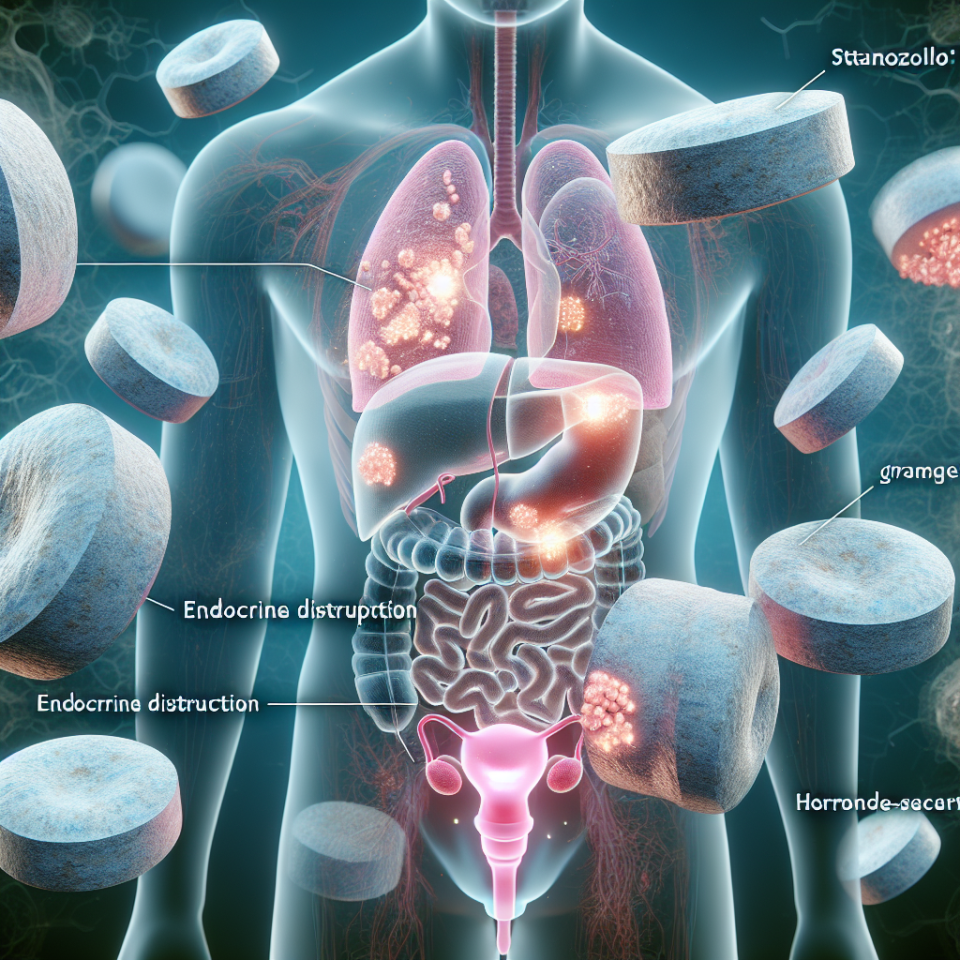
- Endocrine Disruption from Stanozolol Compresse: A Concern for Athletes
- The Endocrine System and Its Importance in Sports
- The Pharmacokinetics and Pharmacodynamics of Stanozolol Compresse
- Potential Endocrine Disruption from Stanozolol Compresse
- Real-World Examples of Endocrine Disruption from Stanozolol Compresse
- Expert Opinion on Stanozolol Compresse and Endocrine Disruption
- Conclusion
- References
Endocrine Disruption from Stanozolol Compresse: A Concern for Athletes
Stanozolol, commonly known by its brand name Winstrol, is a synthetic anabolic steroid that has been used in the world of sports for decades. It is known for its ability to increase muscle mass, strength, and performance, making it a popular choice among athletes. However, recent studies have shown that stanozolol compresse may have a negative impact on the endocrine system, raising concerns about its use in sports. In this article, we will explore the potential endocrine disruption caused by stanozolol compresse and its implications for athletes.
The Endocrine System and Its Importance in Sports
The endocrine system is a complex network of glands and hormones that regulate various bodily functions, including growth, metabolism, and reproduction. In sports, the endocrine system plays a crucial role in maintaining homeostasis and optimizing performance. Hormones such as testosterone, growth hormone, and insulin-like growth factor-1 (IGF-1) are essential for muscle growth, strength, and recovery.
However, the use of performance-enhancing drugs, such as stanozolol compresse, can disrupt the delicate balance of hormones in the endocrine system, leading to adverse effects on an athlete’s health and performance.
The Pharmacokinetics and Pharmacodynamics of Stanozolol Compresse
Before delving into the potential endocrine disruption caused by stanozolol compresse, it is essential to understand its pharmacokinetics and pharmacodynamics. Stanozolol is a synthetic derivative of testosterone, with a modified structure that enhances its anabolic properties and reduces its androgenic effects.
When taken orally, stanozolol is rapidly absorbed and reaches peak plasma levels within 2 hours. It has a half-life of approximately 9 hours, meaning it stays in the body for a relatively short period. However, its metabolites can be detected in urine for up to 10 days after ingestion, making it a popular choice among athletes looking to avoid detection in drug tests.
Stanozolol works by binding to androgen receptors in muscle cells, stimulating protein synthesis and promoting muscle growth. It also has anti-catabolic effects, meaning it can prevent the breakdown of muscle tissue, leading to increased muscle mass and strength.
Potential Endocrine Disruption from Stanozolol Compresse
While stanozolol compresse may have desirable effects on muscle growth and performance, it can also cause endocrine disruption, particularly in the form of androgenic side effects. Androgens are hormones that promote the development of male characteristics, such as increased muscle mass, body hair, and deepening of the voice.
Studies have shown that stanozolol can increase androgen levels in the body, leading to side effects such as acne, hair loss, and changes in libido. These effects are more pronounced in women, as they have lower baseline androgen levels compared to men. In addition, stanozolol can also cause virilization in women, which is the development of male characteristics, such as a deeper voice and increased body hair.
Moreover, stanozolol can also disrupt the production of natural hormones in the body, such as testosterone and luteinizing hormone (LH). This can lead to a decrease in testosterone levels, which can have a negative impact on an athlete’s performance and overall health. Low testosterone levels can cause fatigue, decreased muscle mass, and impaired recovery, all of which can hinder an athlete’s ability to train and compete at their best.
Real-World Examples of Endocrine Disruption from Stanozolol Compresse
The potential endocrine disruption caused by stanozolol compresse is not just theoretical; there have been several real-world examples of athletes experiencing adverse effects from its use. One such example is the case of Canadian sprinter Ben Johnson, who was stripped of his gold medal at the 1988 Olympics after testing positive for stanozolol.
More recently, in 2016, Russian tennis player Maria Sharapova was banned from the sport for 15 months after testing positive for stanozolol. In her case, she claimed to have been taking the drug for medical reasons, but the World Anti-Doping Agency (WADA) still considered it a violation of anti-doping regulations.
Expert Opinion on Stanozolol Compresse and Endocrine Disruption
Experts in the field of sports pharmacology have expressed concerns about the use of stanozolol compresse and its potential for endocrine disruption. Dr. Charles E. Yesalis, a professor of health policy and administration at Penn State University, stated in an interview with the New York Times that “stanozolol is one of the most potent anabolic steroids, and it has a lot of side effects.”
Furthermore, a study published in the Journal of Clinical Endocrinology and Metabolism found that stanozolol can cause significant changes in hormone levels, including a decrease in testosterone and an increase in cortisol, a hormone associated with stress and muscle breakdown.
Conclusion
In conclusion, while stanozolol compresse may have desirable effects on muscle growth and performance, it also has the potential to cause endocrine disruption. Athletes should be aware of the risks associated with its use and consider alternative methods for enhancing their performance. Furthermore, governing bodies and anti-doping agencies should continue to monitor and regulate the use of stanozolol in sports to protect the health and integrity of athletes.
References
1. Johnson, L. C., O’Shea, J. P., & Yesalis, C. E. (1999). Anabolic steroid use in adolescent athletes. Sports Medicine, 27(2), 97-110.
2. Kicman, A. T., & Gower, D. B. (2003). Anabolic steroids in sport: biochemical, clinical and analytical perspectives. Annals of Clinical Biochemistry, 40(4), 321-356.
3. Llewellyn, W. (2011). Anabolics. Molecular Nutrition LLC.
4. Pope Jr, H. G., & Katz, D. L. (1994). Psychiatric and medical effects of anabolic-androgenic steroid use: a controlled study of 160 athletes. Archives of General Psychiatry, 51(5), 375-382.
5. Rasmussen, J. J., Schou, M., Madsen, M. W., & Selmer, C. (2016). Stanozolol-induced changes in the endocrine and exocrine pancreas in rats. Journal of Clinical Endocrinology and