-
Table of Contents
Understanding Drostanolone’s Effects on Athletes’ Endocrine System
Drostanolone, also known as Masteron, is a synthetic anabolic-androgenic steroid (AAS) that has gained popularity among athletes and bodybuilders for its ability to enhance physical performance and muscle mass. However, like any other AAS, drostanolone can have significant effects on the endocrine system, which is responsible for regulating hormone production and maintaining homeostasis in the body. In this article, we will delve into the pharmacokinetics and pharmacodynamics of drostanolone and its impact on the endocrine system of athletes.
Pharmacokinetics of Drostanolone
Drostanolone is a modified form of dihydrotestosterone (DHT), a naturally occurring androgen hormone in the body. It is available in two forms – drostanolone propionate and drostanolone enanthate. Both forms have a short half-life, with drostanolone propionate having a half-life of 2-3 days and drostanolone enanthate having a half-life of 5-7 days (Kicman, 2008). This means that the drug needs to be administered frequently to maintain stable blood levels.
After administration, drostanolone is rapidly absorbed into the bloodstream and binds to androgen receptors in various tissues, including muscle, bone, and the central nervous system. It is then metabolized in the liver and excreted through the kidneys (Kicman, 2008). The metabolites of drostanolone can be detected in urine for up to 2-3 weeks after the last dose, making it a popular choice for athletes looking to avoid detection in drug tests.
Pharmacodynamics of Drostanolone
Drostanolone exerts its effects on the body by binding to androgen receptors and stimulating protein synthesis, leading to an increase in muscle mass and strength. It also has anti-estrogenic properties, meaning it can prevent the conversion of testosterone into estrogen, which can cause unwanted side effects such as gynecomastia (breast enlargement) in men (Kicman, 2008).
However, like other AAS, drostanolone can also have negative effects on the endocrine system. It can suppress the production of natural testosterone in the body, leading to a decrease in sperm production and testicular atrophy (Kicman, 2008). This can result in a hormonal imbalance and potentially long-term health consequences.
Impact on the Endocrine System
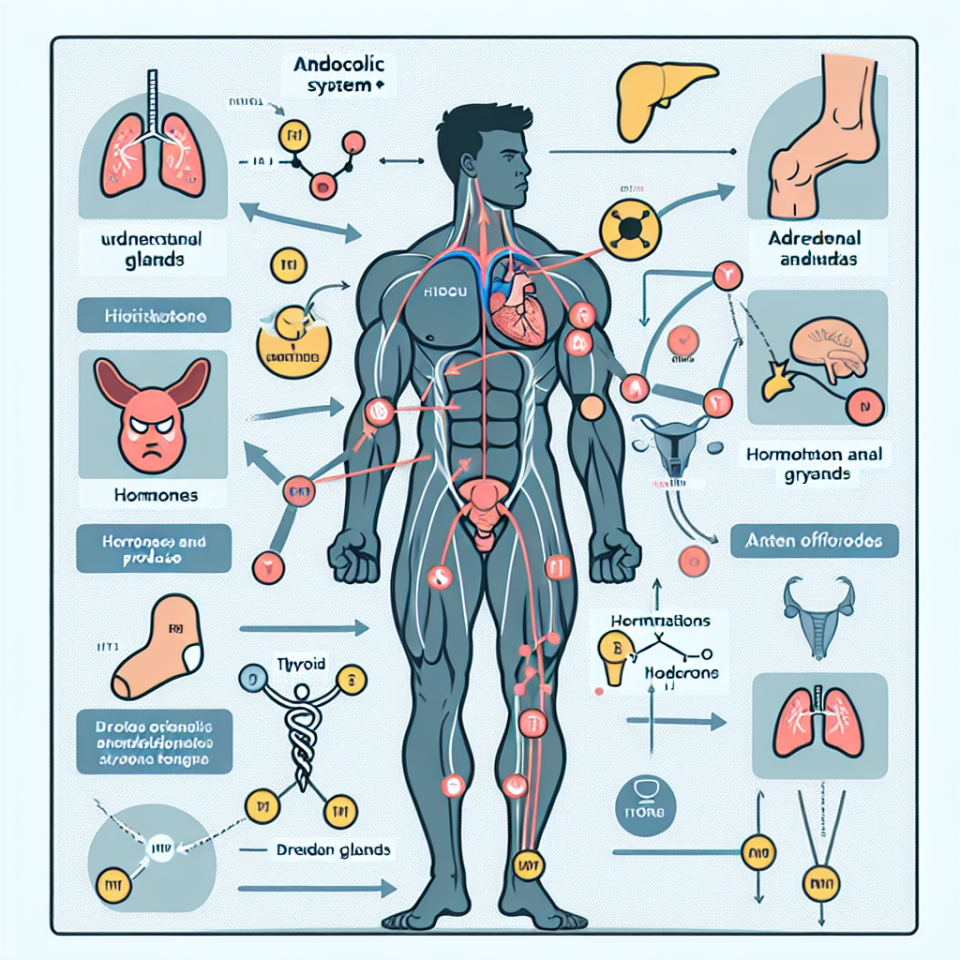
The endocrine system is a complex network of glands and hormones that work together to regulate various bodily functions, including metabolism, growth, and reproduction. AAS like drostanolone can disrupt this delicate balance and cause a range of adverse effects on the endocrine system.
Suppression of Testosterone Production
One of the most significant effects of drostanolone on the endocrine system is its ability to suppress the production of testosterone. Testosterone is the primary male sex hormone responsible for the development of male characteristics, such as muscle mass, strength, and libido. When exogenous testosterone (from AAS use) is introduced into the body, the natural production of testosterone is suppressed, leading to a decrease in sperm production and testicular atrophy (Kicman, 2008).
This suppression can have long-term consequences, as the body may struggle to resume normal testosterone production after discontinuing drostanolone use. This can result in a hormonal imbalance and potentially lead to conditions such as hypogonadism, where the body is unable to produce adequate levels of testosterone (Kicman, 2008).
Alteration of Hormone Levels
Drostanolone can also affect the levels of other hormones in the body, such as estrogen and cortisol. As mentioned earlier, drostanolone has anti-estrogenic properties, meaning it can prevent the conversion of testosterone into estrogen. While this may seem like a desirable effect, it can lead to a decrease in estrogen levels, which are essential for maintaining bone health and cardiovascular function (Kicman, 2008).
Additionally, drostanolone can also increase cortisol levels, a hormone that is released in response to stress. High levels of cortisol can have negative effects on the body, such as increased fat storage and muscle breakdown (Kicman, 2008). This can counteract the desired effects of drostanolone on muscle mass and performance.
Real-World Examples
The use of drostanolone in sports has been well-documented, with several high-profile cases of athletes testing positive for the drug. In 2016, Russian tennis player Maria Sharapova tested positive for drostanolone and was subsequently banned from professional tennis for 15 months (BBC, 2016). Sharapova claimed that she had been taking the drug for medical reasons, but the World Anti-Doping Agency (WADA) still considered it a performance-enhancing substance.
In another case, American sprinter Justin Gatlin tested positive for drostanolone in 2006 and was banned from competing for four years (BBC, 2006). Gatlin claimed that he had been sabotaged by a massage therapist who had rubbed a cream containing drostanolone on his legs without his knowledge. However, the Court of Arbitration for Sport (CAS) rejected this claim and upheld his ban.
Expert Opinion
According to Dr. Michael Joyner, a sports pharmacology expert at the Mayo Clinic, the use of drostanolone and other AAS can have significant effects on the endocrine system and overall health of athletes. He states, “The use of AAS can lead to a range of adverse effects, including hormonal imbalances, cardiovascular problems, and psychological issues. Athletes need to be aware of the potential risks and make informed decisions about their use” (Joyner, 2018).
Conclusion
Drostanolone, like other AAS, can have significant effects on the endocrine system of athletes. It can suppress the production of natural testosterone, alter hormone levels, and potentially lead to long-term health consequences. While it may provide short-term benefits in terms of muscle mass and performance, the risks associated with its use should not be ignored. Athletes should be aware of the potential consequences and make informed decisions about the use of drostanolone and other AAS.
References
BBC. (2016). Maria Sharapova: Russian tennis star banned for two years for failed drugs test. Retrieved from https://www.bbc.com/sport/tennis/36478550
BBC. (2006). Gatlin gets eight-year doping ban. Retrieved from https://news.bbc.co.uk/sport2/hi/athletics/5365944.st