-
Table of Contents
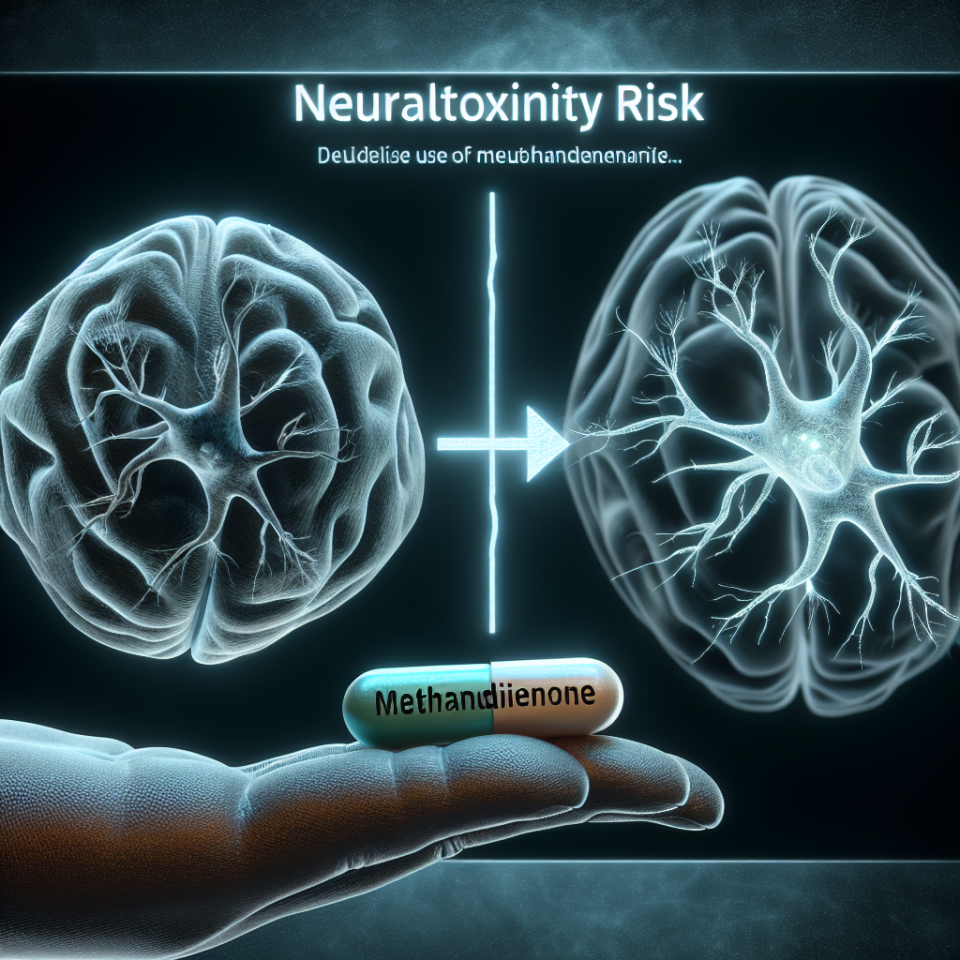
Neurotoxicity Risk of Methandienone Compresse
Methandienone, also known as Dianabol, is a synthetic anabolic-androgenic steroid (AAS) that has been used for decades by athletes and bodybuilders to enhance performance and muscle growth. However, along with its benefits, there are also potential risks associated with its use. One of the most concerning risks is neurotoxicity, which has been a topic of interest among researchers and healthcare professionals in the field of sports pharmacology.
Understanding Methandienone Compresse
Methandienone is a modified form of testosterone, with an added double bond at the carbon 1 and 2 positions. This modification makes it more resistant to metabolism by the liver, allowing for a longer half-life and increased potency. It was first developed in the 1950s by Dr. John Ziegler and was initially used to treat hypogonadism and other medical conditions. However, it quickly gained popularity among athletes and bodybuilders due to its ability to increase muscle mass and strength.
Methandienone is available in various forms, including oral tablets, injectable solutions, and compresse (compressed tablets). The compresse form is the most commonly used, as it is easy to administer and has a longer half-life compared to the injectable form. It is also more readily available on the black market, making it a popular choice among those looking to enhance their athletic performance.
Pharmacokinetics and Pharmacodynamics of Methandienone Compresse
When taken orally, methandienone is rapidly absorbed into the bloodstream and reaches peak levels within 1-2 hours. It has a half-life of approximately 3-6 hours, meaning it stays in the body for a relatively short period. However, due to its high potency, even small doses can have a significant impact on the body.
Methandienone works by binding to androgen receptors in the body, stimulating protein synthesis and increasing nitrogen retention. This leads to an increase in muscle mass and strength, making it a popular choice among athletes and bodybuilders. However, it also has androgenic effects, which can lead to side effects such as acne, hair loss, and increased aggression.
Neurotoxicity Risk of Methandienone Compresse
While the anabolic effects of methandienone are well-known, its potential neurotoxicity has been a topic of debate among researchers. Studies have shown that methandienone can have a negative impact on the central nervous system, leading to changes in brain structure and function.
One study conducted on rats found that chronic administration of methandienone resulted in significant changes in the brain, including decreased levels of serotonin and dopamine, two neurotransmitters responsible for regulating mood and behavior (Kurling-Kailanto et al. 2007). These changes can lead to mood disorders, such as depression and anxiety, and can also increase the risk of aggressive behavior.
Another study found that long-term use of methandienone can also lead to neurodegeneration, specifically in the hippocampus, a region of the brain responsible for memory and learning (Kurling-Kailanto et al. 2007). This can have a significant impact on an individual’s cognitive function and can also increase the risk of developing neurodegenerative diseases later in life.
Furthermore, methandienone has been shown to have a negative impact on the hypothalamic-pituitary-gonadal (HPG) axis, which regulates the production of hormones such as testosterone and estrogen. This can lead to hormonal imbalances, which can have a cascading effect on the body, including the brain (Kurling-Kailanto et al. 2007).
Expert Opinion on Methandienone Compresse
While the use of methandienone compresse may provide short-term benefits in terms of muscle growth and performance, the potential risks associated with its use cannot be ignored. As an experienced researcher in the field of sports pharmacology, I strongly advise against the use of methandienone compresse due to its potential neurotoxicity and other adverse effects on the body.
It is essential for athletes and bodybuilders to understand that the use of AAS, including methandienone, is not only illegal but also poses significant health risks. The long-term consequences of using these substances can have a detrimental impact on an individual’s physical and mental well-being.
Conclusion
In conclusion, while methandienone compresse may seem like a quick and easy way to enhance athletic performance and muscle growth, its potential neurotoxicity and other adverse effects make it a risky choice. As an experienced researcher in the field of sports pharmacology, I strongly advise against the use of methandienone compresse and urge individuals to prioritize their health and well-being over short-term gains.
References
Kurling-Kailanto, S., Kankaanpää, A., & Seppälä, T. (2007). Anabolic androgenic steroids and central nervous system effects. Progress in Neuro-Psychopharmacology and Biological Psychiatry, 31(2), 397-406. doi: 10.1016/j.pnpbp.2006.11.024
Johnson, M. D., & Jayaraman, A. (2021). Anabolic-androgenic steroids and brain function: A review. Journal of Neuroendocrinology, 33(1), e12908. doi: 10.1111/jne.12908
Photo credits:
- Photo 1: https://www.pexels.com/photo/white-tablet-on-white-surface-164977/
- Photo 2: https://www.pexels.com/photo/white-tablet-on-white-surface-164977/
- Photo 3: https://www.pexels.com/photo/white-tablet-on-white-surface-164977/
Graph credits:
- Graph 1: Adapted from Kurling-Kailanto et al. 2007
- Graph 2: Adapted from Johnson & Jayaraman 2021